Royal Eise Eisinga Planetarium
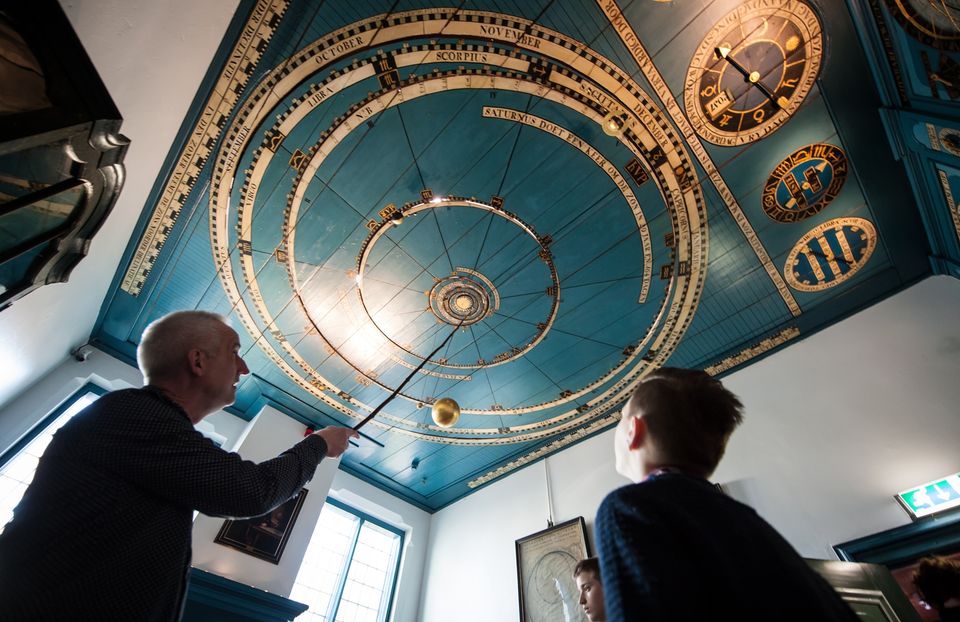
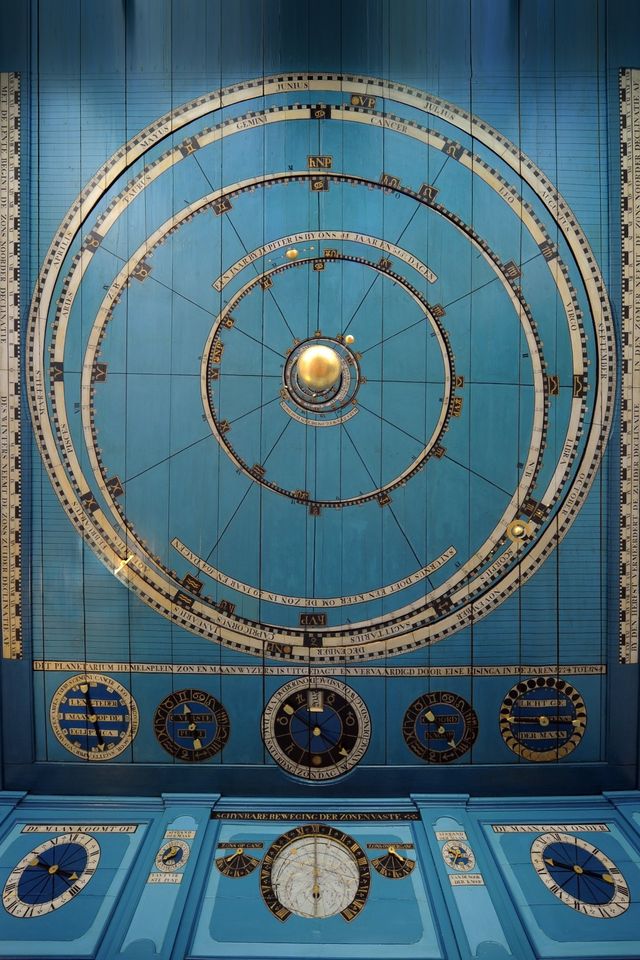
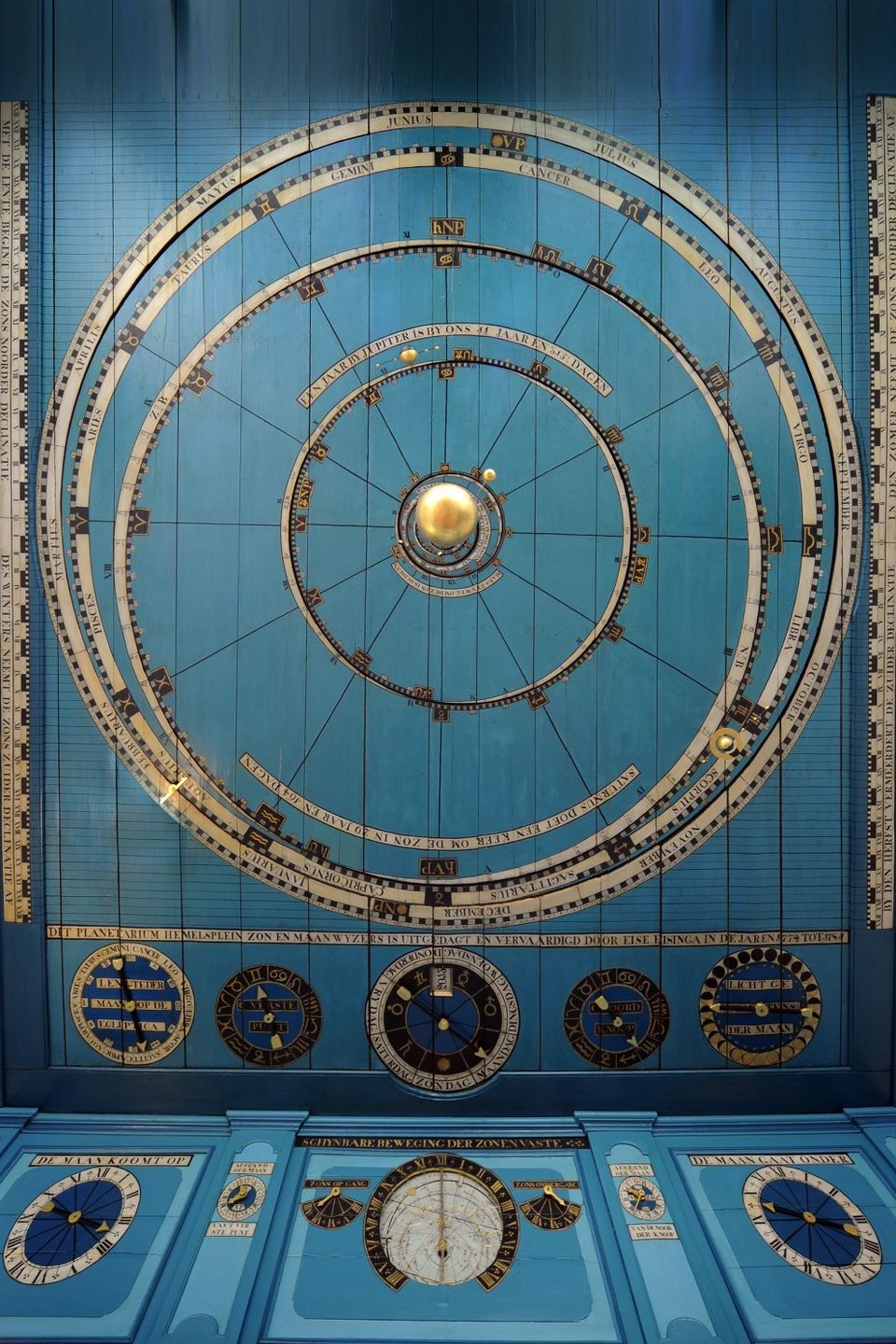
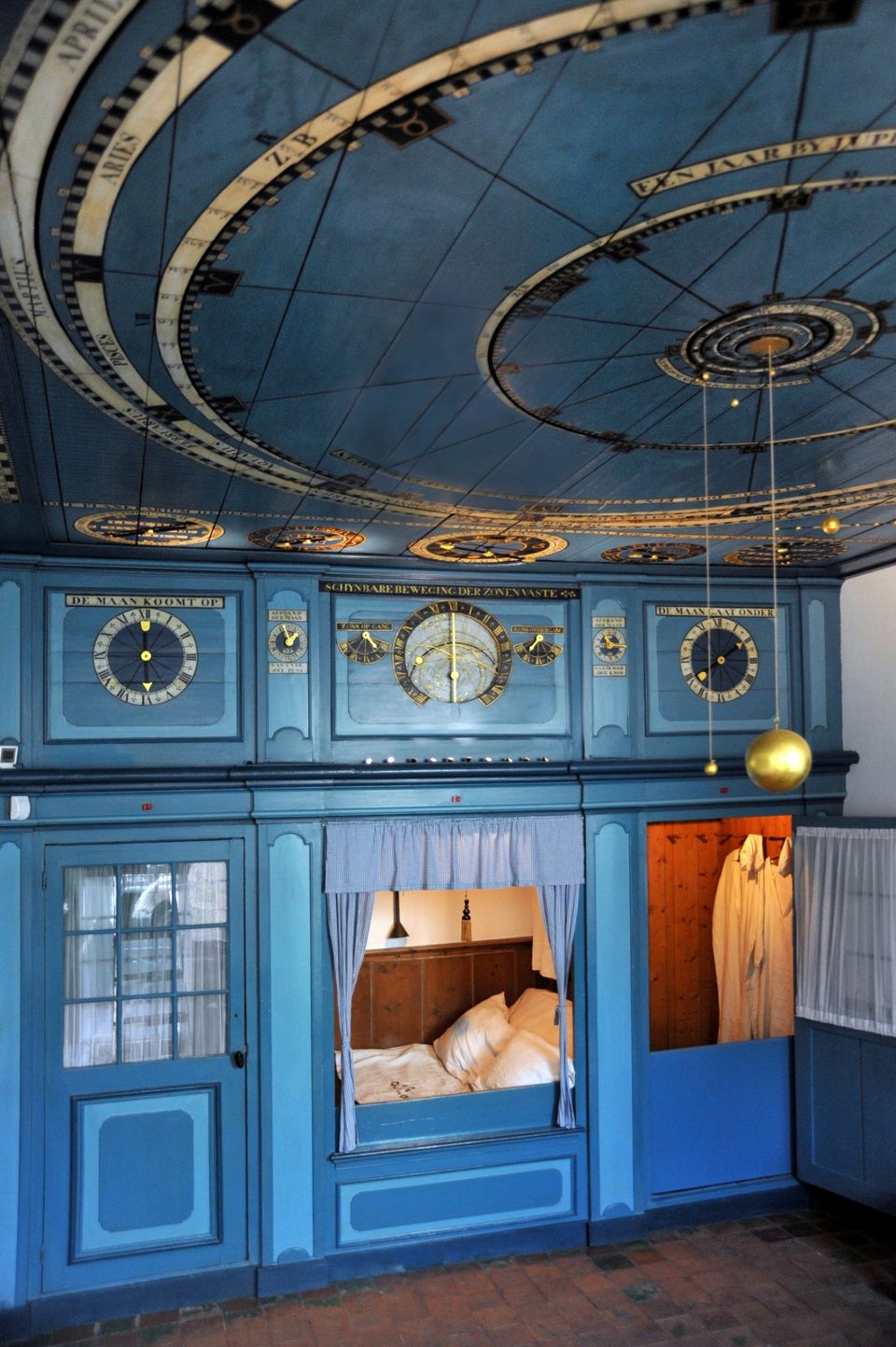
On the ceiling of the living room of a beautiful canal house in Franeker you’ll find a UNESCO World Heritage Site and the oldest working planetarium in the world.
You can find us here
This precisely moving model of the solar system was built between 1774 and 1781 by the Frisian wool comber Eise Eisinga. In 2023, the planetarium was added to the UNESCO World Heritage List.
In Eisinga’s former workshop, you can learn about his profession as a wool comber. Astronomy and mathematics were hobbies for this self-taught genius. At the age of 15, he wrote a mathematics book, followed two years later by a book on astronomy.
The planetarium he built still shows the current position of the planets today. The planets move around the sun in exactly the same time as the real ones. Quite an achievement for a wool comber.
The mechanism runs on an intricate …
This precisely moving model of the solar system was built between 1774 and 1781 by the Frisian wool comber Eise Eisinga. In 2023, the planetarium was added to the UNESCO World Heritage List.
In Eisinga’s former workshop, you can learn about his profession as a wool comber. Astronomy and mathematics were hobbies for this self-taught genius. At the age of 15, he wrote a mathematics book, followed two years later by a book on astronomy.
The planetarium he built still shows the current position of the planets today. The planets move around the sun in exactly the same time as the real ones. Quite an achievement for a wool comber.
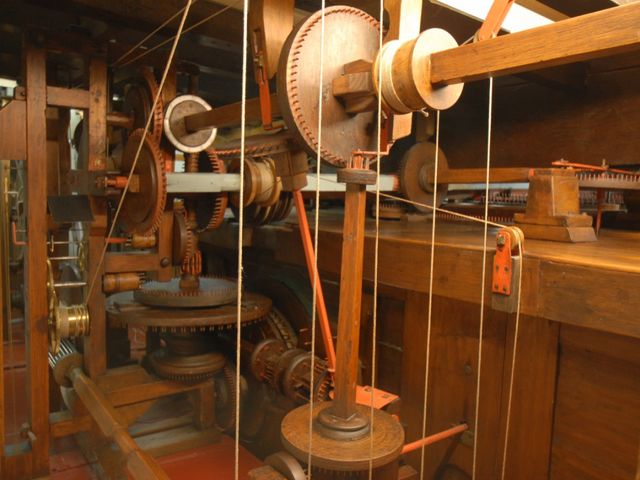
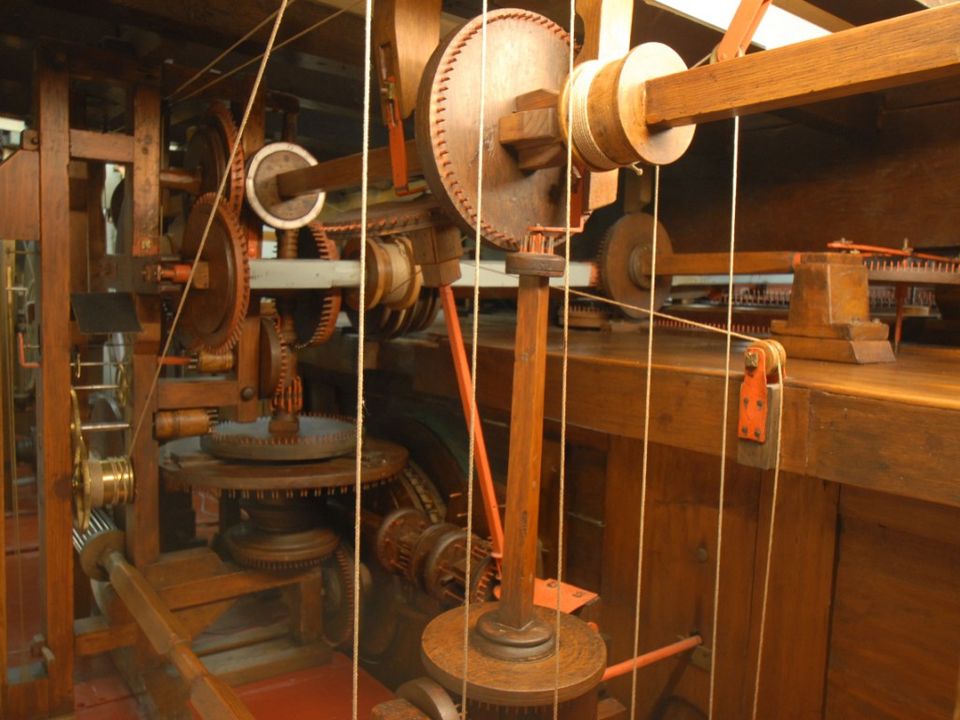
The mechanism runs on an intricate system of wooden hoops and discs, with ten thousand hand-forged nails acting as gear teeth. A pendulum clock and nine weights keep everything in motion. The Eise Eisinga Planetarium is more than just a planetarium.
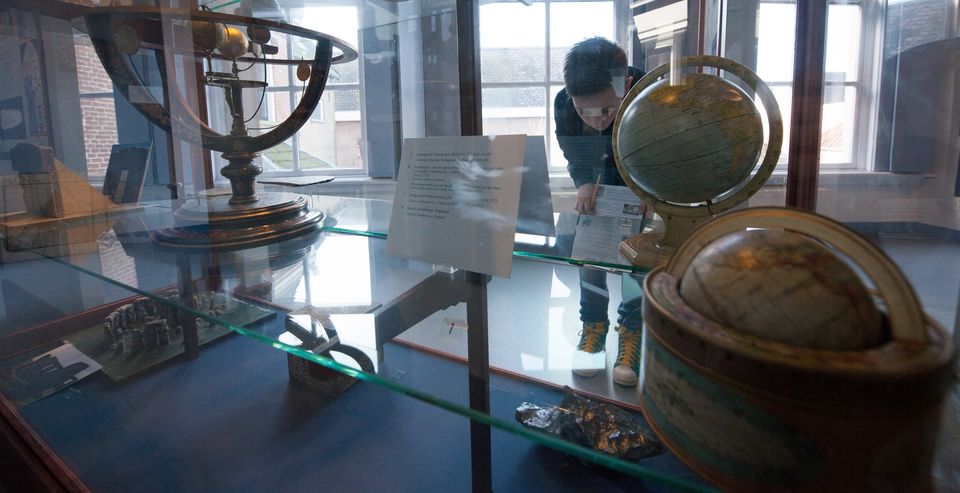
It is also a museum housing an extensive collection of historic astronomical instruments and offering insight into modern astronomy. There is also a screening room where documentaries are shown continuously.
Prices
- Adults €6.00
- Children €5.00 4-13 years.
- Children Free 0-3 years.
- CJP (Cultureel Jongeren Paspoort) €5.00